
 Dominic Ashmole is a party activist from the Borders. A candidate, albeit not in a winnable position, on the South regional list, he also contested Dumfriesshire, Clydesdale and Tweeddale in the 2024 UK General Election, and the Tweeddale West ward in the 2022 Scottish Borders Council elections.
 Ross Greer made national headlines in 2016 for being the youngest person ever elected to Holyrood at the age of 21, when he became the first Green MSP for the West of Scotland. Greer has since been engaged in a balancing act. On the one hand, there are capital-L Left policies that have made him something of a bête noire for the Right of Scotland’s political spectrum. On the other, a pragmatic and professionalising approach to the realities of Holyrood governance saw him with a leading role managing the Bute House Agreement with the SNP.
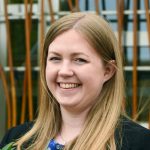 Gillian Mackay was elected as the first ever Green MSP for the Central Scotland region at the 2021 election. She’d previously been one of the Co-Conveners of the Scottish Young Greens, and was one of the party’s candidates at the 2019 European Elections, at which she and I formed the young team on the list. Since her election to Holyrood, Mackay has been the Green spokesperson for the health portfolio, and garnered significant attention for piloting the Abortion Services (Safe Access Zones) Act, aka the Buffer Zones Bill, through Parliament.
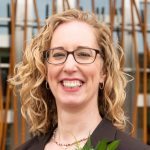 Lorna Slater has been one of the party’s incumbent Co-Leaders since the role was created in 2019. Previously an engineer working in the renewables sector, she was subsequently elected to the Scottish Parliament in 2021 as one of two Green MSPs for the Lothian Region. The Bute House Agreement signed shortly afterwards saw her enter government as Minister for Green Skills, Circular Economy and Biodiversity until the agreement collapsed.